The Lifesaving and Lifelong Benefits of Swim Lessons
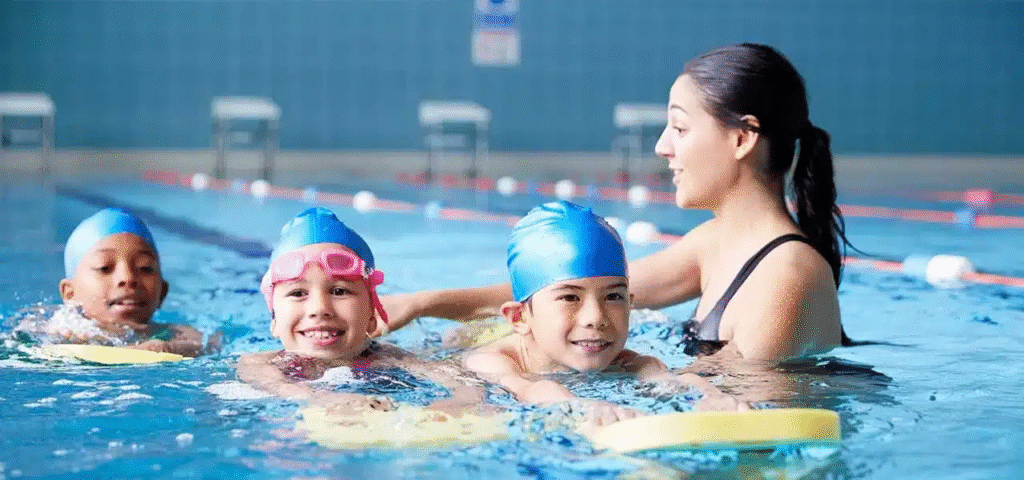
Swimming is not only a fun and refreshing activity but also an essential life skill that everyone should acquire. Swim lessons offer structured guidance to individuals of all ages, teaching them how to navigate water safely, confidently, and effectively. Whether for recreation, fitness, or safety, swim lessons provide numerous physical, mental, and emotional benefits. With drowning being one of the leading causes of accidental death worldwide, especially among young children, learning to swim is a proactive step toward ensuring personal and family safety near water.
One of the most important advantages of swim lessons is the emphasis on water safety. Trained instructors teach essential survival skills such as floating, treading water, and safe entry and exit techniques. These lessons not only reduce the risk of drowning but also build a strong foundation of respect and caution around water. For parents, enrolling their children in swim programs offers peace of mind, knowing their kids are learning the techniques that could potentially save their lives in an emergency situation. Adults, too, benefit from overcoming fear or inexperience in the water, making activities like boating, beach outings, and poolside relaxation safer and more enjoyable.
Swim lessons also contribute significantly to physical fitness and motor development. Swimming is a full-body workout that strengthens muscles, improves cardiovascular health, and increases flexibility and coordination. For children, the repetitive movements in swimming support motor skill development, posture, and balance. It’s a low-impact activity, making it ideal for individuals with joint issues or injuries. Swim lessons incorporate various strokes and drills that help improve endurance and stamina over time, making swimming not only a life skill but also a foundation for lifelong health and fitness.
Beyond the physical aspects, swim lessons promote mental well-being and confidence. As learners progress through different levels, they experience a sense of achievement that boosts self-esteem. Overcoming initial fears of the water can be a powerful emotional victory, particularly for children or adults who have had negative experiences. The calm and rhythmic nature of swimming is also known to reduce stress and anxiety. For many, the pool becomes a sanctuary where they can relax, reset, and recharge mentally. Learning to swim instills discipline, perseverance, and goal-setting—skills that benefit individuals beyond the pool.
Swim lessons also encourage social interaction and teamwork, especially in group settings. Children learn to follow instructions, take turns, and interact with peers in a positive and structured environment. These lessons can foster friendships and teach valuable communication skills, especially for shy or socially anxious individuals. Group swim classes create 學游水 a sense of community and shared achievement, while private lessons offer tailored instruction for those who need a more personalized approach. Whether in group or individual sessions, the collaborative nature of swim education supports both social and emotional development.
In conclusion, swim lessons are far more than just learning to move through water—they are a gateway to safety, health, confidence, and lifelong enjoyment. From the early stages of water familiarization to mastering advanced strokes, each lesson builds essential skills that benefit every aspect of life. For children, swim lessons can shape future habits of physical activity and independence. For adults, they offer a chance to embrace a new skill, improve fitness, and overcome limitations. As access to pools, beaches, and water-based recreation increases, the ability to swim becomes not only useful but indispensable. Investing in swim lessons is an investment in personal well-being and safety that pays dividends for a lifetime.
