Revolutionizing Hygiene: Modern Disinfection Practices Unveiled
Disinfection is a vital component of modern hygiene, ensuring the 店鋪清潔 safety of individuals and communities by eliminating harmful microorganisms. With the rise of global health concerns, effective disinfection has become a focal point in healthcare, industry, and everyday life. This practice not only prevents the spread of diseases but also promotes a culture of cleanliness and safety in public and private spaces. Understanding the principles, advancements, and applications of disinfection is key to creating healthier environments for all.
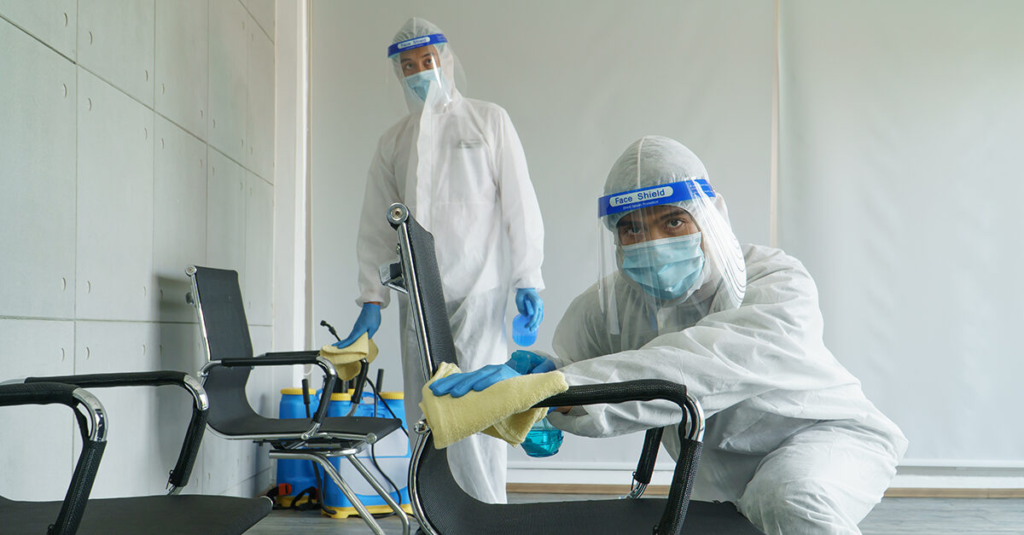
Modern disinfection methods have evolved significantly beyond traditional cleaning solutions. Chemical disinfectants like alcohol, bleach, and hydrogen peroxide remain widely used, but technological advancements have introduced innovative approaches. Ultraviolet (UV) light systems, for instance, are now used to sanitize hospital rooms and public transit vehicles, offering a chemical-free method of pathogen elimination. Similarly, electrostatic sprayers provide uniform application of disinfectants, reaching even hard-to-access surfaces. These advancements make disinfection faster, more effective, and environmentally friendly, catering to the diverse needs of various industries.
The application of disinfection spans a wide range of environments. Healthcare facilities prioritize stringent sterilization procedures to prevent hospital-acquired infections and ensure patient safety. Schools and childcare centers rely on regular disinfection to protect children from contagious illnesses. In the food industry, strict hygiene standards are maintained to prevent contamination during food preparation and storage. Public transportation systems, gyms, and retail spaces also implement comprehensive disinfection protocols to enhance public confidence and safety. These practices highlight the universal relevance of disinfection in safeguarding health.
Despite its importance, disinfection faces challenges that require attention. Overuse of chemical disinfectants can lead to environmental pollution and health risks, such as skin irritation and respiratory issues. Improper application may also result in inadequate pathogen elimination, leaving surfaces unsafe. To address these concerns, many organizations are shifting towards sustainable solutions, including biodegradable disinfectants and steam-based cleaning. Additionally, public education campaigns emphasize proper disinfection techniques, ensuring that individuals and businesses adopt safe and effective practices.
In conclusion, disinfection is an indispensable tool in maintaining hygiene and combating infectious diseases. The integration of modern technologies and sustainable approaches has revolutionized how disinfection is carried out, making it more efficient and eco-friendly. By understanding the science and applications of disinfection, individuals and organizations can contribute to a safer and healthier world. As global health challenges persist, continuous innovation in disinfection methods will play a crucial role in protecting lives and fostering resilience.
