Mastering Conveyor Belt Lacing: A Guide to Optimal Performance
Understanding Conveyor Belt Lacing
When it comes to conveyor belt systems, proper lacing is crucial for ensuring efficiency and reliability. Conveyor belt lacing involves connecting the ends of a belt to create a continuous loop, allowing it to function seamlessly in various applications, from mining to food processing. A well-laced belt not only improves performance but also extends the life of the belt significantly. Whether you’re working in a factory or a warehouse, knowing how to effectively lace your conveyor belt can save you time and money in maintenance. This is where options like conveyor belt lacing come into play, providing the best solutions for your needs.
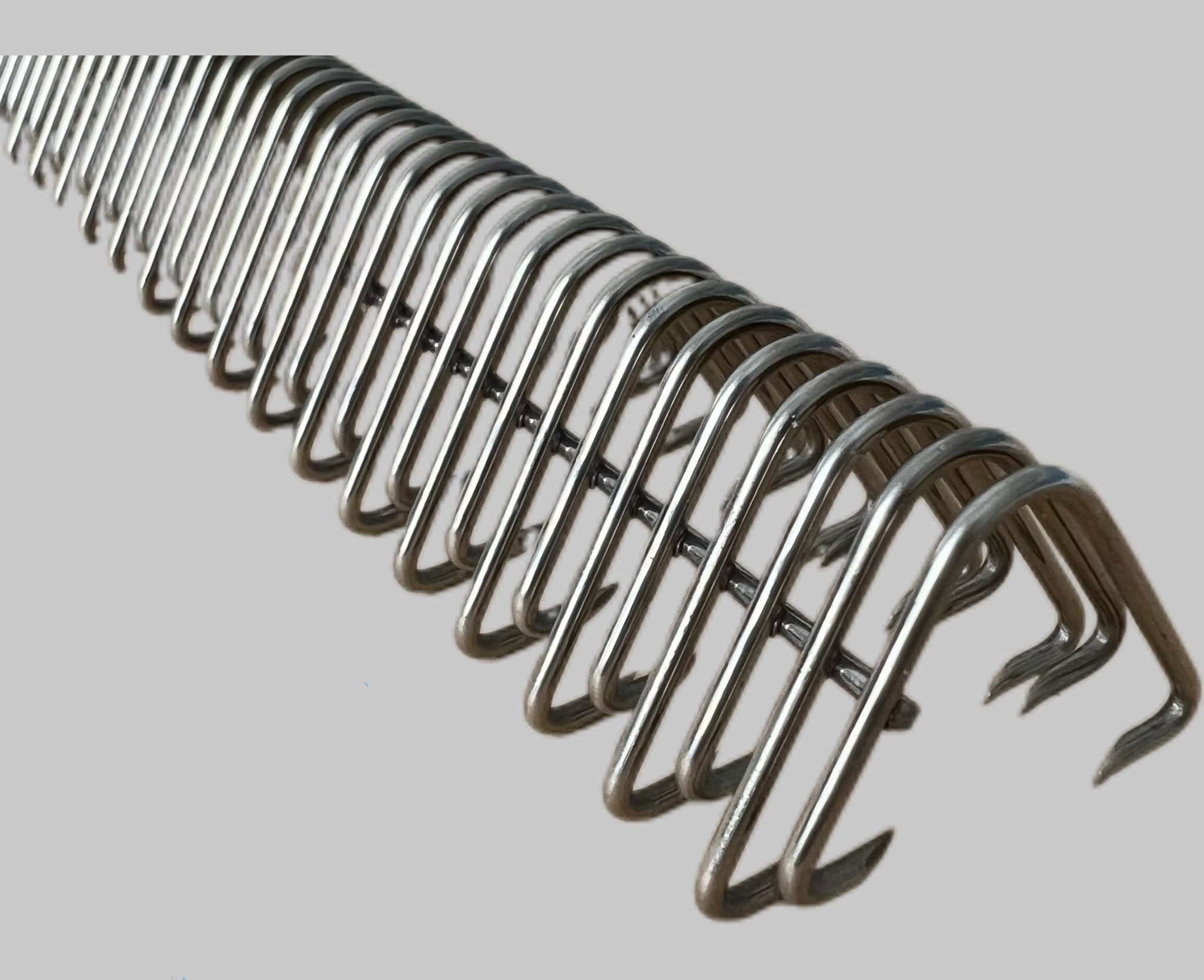
Exploring Wire Hook Conveyor Belt Lacing
One of the most efficient methods of conveyor belt lacing is through wire hook conveyor belt lacing. This technique offers a strong and flexible connection, ideal for heavy-duty applications. The wire hook fastener is designed to provide high tensile strength and resistance to wear and tear, making it suitable for various environments like agriculture and manufacturing. Users appreciate that installation is straightforward, often requiring just basic tools. It’s a great choice for those looking for durability without sacrificing convenience. Imagine quickly replacing a damaged belt in a busy plant; this method can significantly cut downtime, allowing smooth operations.
Benefits of Welded Metal Bar Lacing
On the other hand, if you’re looking for a solution that excels in high-tension circumstances, consider welded metal bar lacing. This lacing type is made from high-quality metal bars that are welded to deliver maximum strength and stability to the conveyor belt. Welded metal bar lacing is particularly effective in environments where heavy loads are the norm, such as in mining or automotive manufacturing. Users often find that it enhances load distribution while minimizing the risk of slippage, which can be a significant concern in such industries. Additionally, its robust design means it can withstand harsh conditions, making it a reliable choice for long-term use.
Wrapping It Up: Your Go-To for Conveyor Belt Solutions
In summary, choosing the right lacing for your conveyor belt is essential to your operations. Options like wire hook conveyor belt lacing and welded metal bar lacing provide unique benefits that cater to various needs across different sectors. As you consider which method works best for your application, it’s important to weigh factors such as durability, installation ease, and operational efficiency. For reliable supply advantages and high-quality products, look no further than Intake, where you’ll find the best in conveyor belt solutions tailored to meet the demands of any industry.
