How to Unglue PVC Fittings[1]
Ungluing PVC fittings is a challenging task that becomes necessary when you need to replace or reconfigure plumbing connections. PVC fittings are permanently bonded using solvent cement, making separation difficult without the right approach. Whether dealing with standard PVC fittings or the more durable PVC sch80 fittings, understanding proper ungluing techniques prevents damage to your pipes and fittings. Learning these methods helps you handle repairs, renovations, or system upgrades that require disconnecting previously solvent-cemented PVC fittings from your plumbing infrastructure.
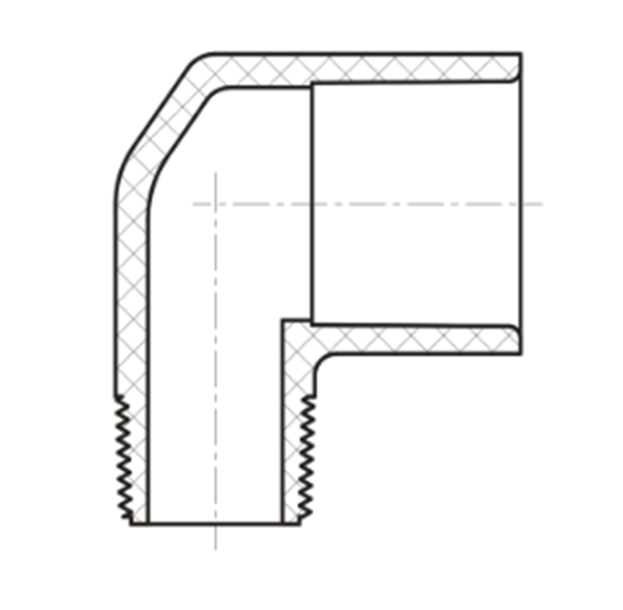
Understanding PVC Fitting Bonds
PVC fittings create permanent bonds through solvent cement that actually melts the plastic surfaces together. This chemical connection is extremely strong and designed to be permanent, which makes ungluing PVC fittings particularly challenging. The solvent in PVC cement partially dissolves both the pipe and fitting, fusing them into a single unit. When you need to separate PVC fittings, you must use techniques that break this strong bond without destroying the components, whether you’re working with standard PVC fittings or industrial-grade PVC sch80 fittings.
Cutting Method for Separation
The most effective approach to unglue PVC fittings is the cutting method using a hacksaw, reciprocating saw, or specialized PVC cutter. Cut the pipe near the fitting to separate the connection without attempting to dissolve the bond itself. Once the pipe is severed, you can carefully remove the remaining pipe sections from inside the PVC fittings using a screwdriver or chisel. This method works reliably on all types of PVC fittings and doesn’t require specialized chemicals. Cutting is the preferred technique when you don’t need to reuse the PVC fittings being removed.
Heat Application Technique
Applying controlled heat can soften the bond in PVC fittings, making separation possible in some cases. Use a heat gun on a low[2] to medium setting, warming the PVC fittings for several minutes until they become pliable. Gently work the pipe back and forth while applying steady pressure to separate the connection. Heat application requires patience and careful temperature control to avoid damage to your PVC fittings. This method for ungluing PVC fittings may allow component reuse if executed carefully with proper technique.
Conclusion
Ungluing PVC fittings requires patience and the right technique to minimize damage to your system. Whether using cutting or heat methods, both approaches effectively separate permanently cemented PVC fittings. LESSO [3] offers high-quality PVC fittings designed for reliable performance in residential and commercial plumbing applications. With LESSO America’s durable products and proper ungluing techniques, you can confidently manage system modifications and repairs.
锚文本2是lesson
