How Smart Lifting Robots Are Redefining Throughput
A Morning on the Dock, A Hard Truth
Here’s the deal: every busy dock runs on rhythm. On the floor, a lifting robot waits at Dock 3. A pallet of mixed cartons arrives, the clock is already ticking, and the crew has targets to hit; industry reports say that manual handling drives a big slice of lost time and injury costs—often above 30% in some operations. The weight lifting robot changes that rhythm by taking the heaviest, most repetitive lifts and keeping flow steady. So, why do many sites still wrestle with delays, strained backs, and gaps in quality? (È la vita, but it doesn’t need to be.)

Think about it: one awkward pick, one slip, and then the line stops— for minutes. The numbers add up. Throughput drops, fatigue rises, and errors hide in the rush. Does your floor plan and process design help people win, or set them up for stress? Small changes in motion paths, load sensing, and timing can recover hours each week. That’s the question that matters, because when weight meets time, even tiny frictions grow into real costs. Let’s peel back the surface to the deeper layer and see where the old fixes break down.
The Hidden Costs of Old Lifting Methods
Where Do Old Methods Fall Short?
Traditional set‑ups look simple. A crew, a jack, a checklist. But the weak link is repeatability under pressure. The weight lifting robot attacks that weak link with stable force control and precise cycle timing. Manual lifts drift as fatigue sets in; cycles stretch, alignment slips, and the queue grows. With machines, you hold steady torque through a load cell array and maintain path fidelity using SLAM mapping and LiDAR. Look, it’s simpler than you think: keep forces measured, keep motion predictable, keep people out of the strain zone.
Legacy “fixes” often add gear but not intelligence. Bigger carts, more guardrails, strict checklists—yet the same bottleneck survives. Why? No sensing, no fast feedback, and no clean data loop. Without edge computing nodes, the system cannot adapt to pallet skew or floor variance in real time. Without robust power converters and a safe DC bus, duty cycles wobble when peaks hit. And when small drifts go unseen, they turn into stoppages—funny how that works, right? The deeper flaw isn’t muscle; it’s the lack of control, feedback, and calm rhythm under load.
Principles Powering the Next Wave of Lifting Robots
What’s Next
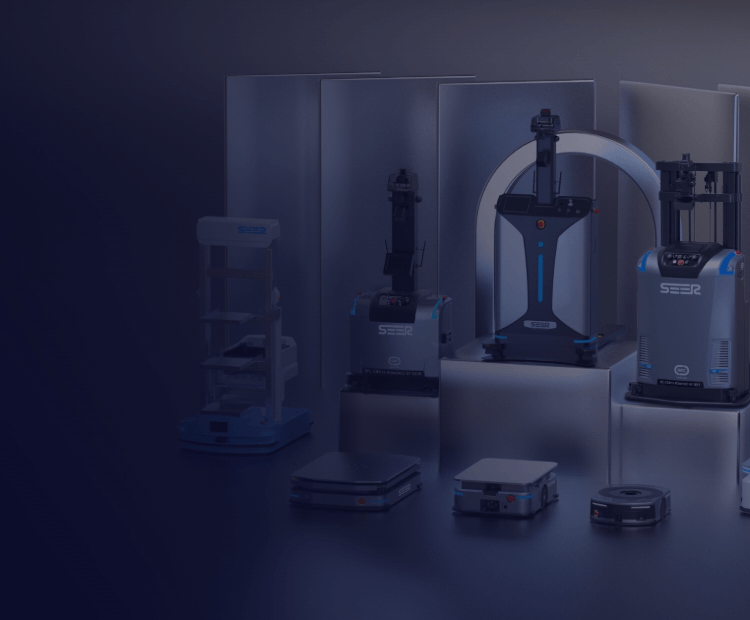
Moving forward, the playbook is clear and more humane. First, embed sensing at the point of contact. Torque sensor arrays and force feedback loops keep lift force within safe bands and guard against surprise loads. Second, let perception guide motion: LiDAR fused with camera depth and on‑board SLAM mapping builds a live map, not a guess. Third, compute near the action. Edge computing nodes run micro‑plans locally, so the weight lifting robot adapts to uneven pallets or tight aisles without calling a faraway server. Add smart battery management and clean power converters, and you get consistent duty cycles with fewer pauses (piano piano, but steady). This is how you hold cadence and protect people.
We can compare outcomes without hype. Old methods hinge on stamina; new systems hinge on signals. Yesterday’s approach chased speed and paid in errors; today’s approach chases stability and gets speed as a bonus. Summing up: reduce unmeasured strain, add measured control, and let timing stay smooth. If you’re choosing solutions, use three simple checks: cycle time stability under peak load; sensing quality at the forks and frame; serviceability of drive train, safety PLCs, and servo motors. Keep those three metrics tight, and the rest follows—less scrap, fewer stops, more calm work. People feel the difference at shift change, and so does the ledger. For a deeper technical view and real deployments, see SEER Robotics.
