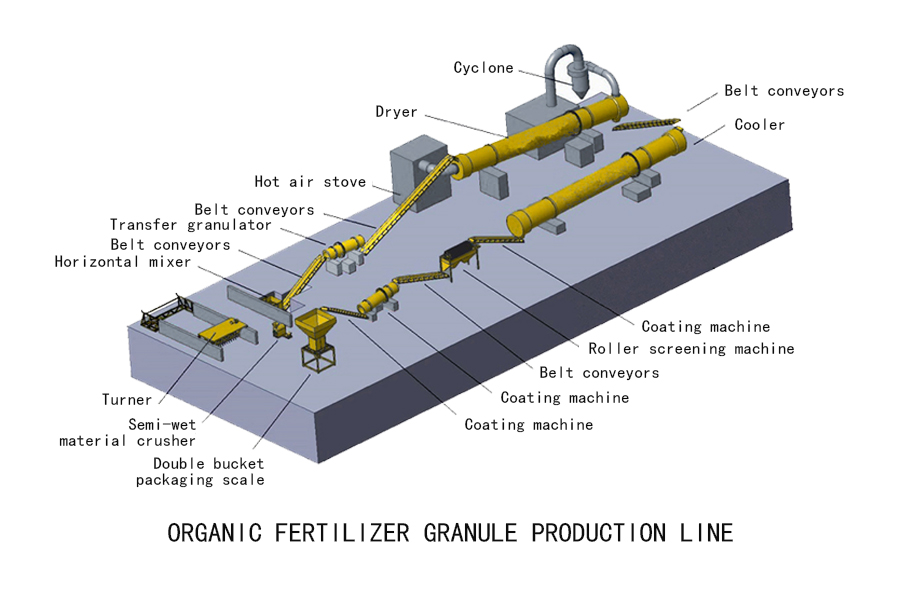
Transforming Organic Waste into Granules with Precision and Consistency
The emergence of Organic fertilizer granule production lines marks a significant advancement in sustainable agriculture. These innovative systems not only enhance the efficiency of converting organic waste into valuable fertilizers but also ensure consistency in quality, which is paramount for B2B transactions. As we delve deeper into this topic, it becomes evident that apprehension these processes can lead to better agricultural practices and improved environmental outcomes.
Research the Mechanisms of Organic Fertilizer Granule Production Lines
The organic fertilizer granule production line operates through a series of meticulously designed stages that transform raw materials into high-quality granular fertilizers. Initially, organic waste undergoes preprocessing to eliminate impurities and prepare it for further processing. Subsequently, the material is subjected to granulation techniques that promote uniformity in size and composition, ensuring optimal nutrient release during application. This systematic approach not only enhances product quality but also fosters trust among B2B partners who rely on consistent supply chains. Furthermore, advancements in technology have enabled real-time monitoring of production parameters, allowing manufacturers to maintain stringent quality control throughout the process.
Diving Deeper: The Role of Organic Fertilizer Processing Lines
An effective Organic fertilizer processing line encompasses various stages beyond mere granulation; it includes drying, cooling, and packaging processes essential for preserving product integrity. Each stage plays a critical role in maintaining moisture levels and preventing clumping or degradation during storage and transportation. By integrating automated solutions within these lines, producers can achieve higher throughput while minimizing human error—a crucial factor when dealing with large-scale operations aimed at meeting market demands consistently. Moreover, such processing lines are adaptable to different types of feedstock—ranging from animal manure to crop residues—thereby enhancing their versatility across diverse agricultural contexts.
Xincheng’s Commitment to Quality Assurance
Xincheng has emerged as a leader in providing state-of-the-art equipment tailored specifically for organic fertilizer production lines. Their commitment extends beyond manufacturing; they prioritize customer satisfaction by offering comprehensive support services including installation training and ongoing maintenance assistance. Xincheng’s focus on innovation ensures that their machinery incorporates cutting-edge technologies designed for optimal performance under varying operational conditions. Additionally, they emphasize sustainability by promoting energy-efficient designs that reduce carbon footprints associated with traditional fertilization methods.
Conclusion: Emphasizing Consistency Through Innovation
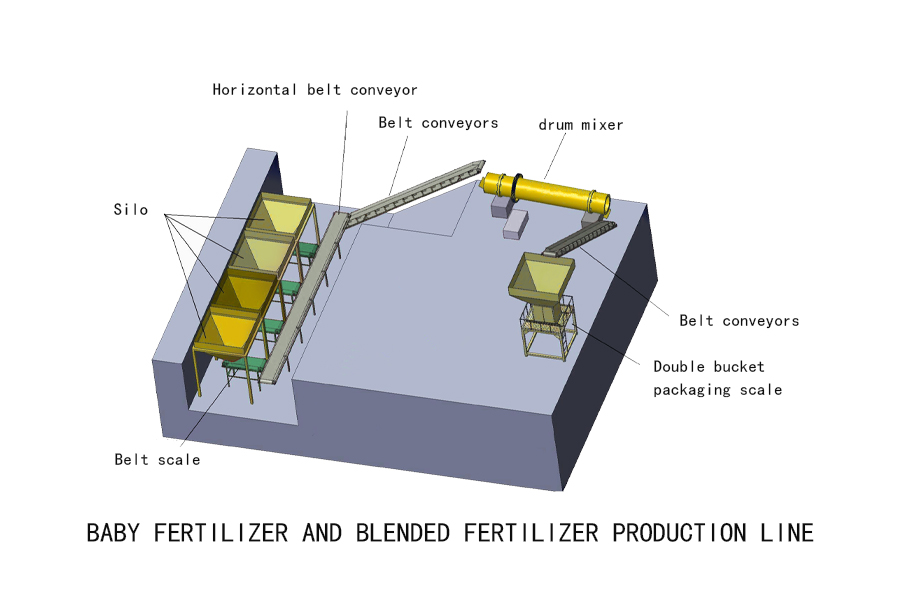
The significance of an efficient organic fertilizer granule production line cannot be overstated—it serves as both an ecological solution and a business opportunity within the B2B landscape. By prioritizing consistency in quality through advanced processing techniques and reliable partnerships like those offered by Xincheng, stakeholders can contribute positively towards sustainable agriculture while reaping economic benefits simultaneously.