How I Reimagined ICU Mechanical Ventilator Sourcing for 2025
Problem-Driven Reality Check
I remember one rainy night in Port-au-Prince when a hospital called me—ICU beds full, staff tired—and I had to explain why a delayed shipment of icu mechanical ventilator would mean shifting patients to less reliable devices. That mechanical ventilator shortage was not some abstract risk; it was a ledger line on my desk: 120 units delayed, three-week lead time, March 2022 delivery slipped. I tell you this because I have over 15 years moving medical kit across borders, and I’ve seen the same snag repeat: procurement plans assume ideal supply, hospitals assume plug-and-play, and nobody budgets for small failure modes that cascade.
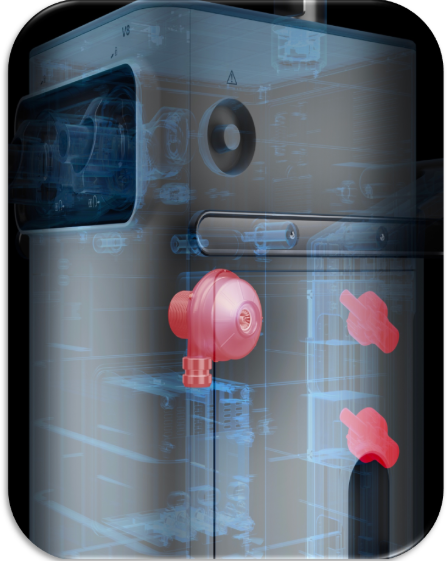
Here’s a small scenario + data + question to put it plain: a midsize public ICU loses service on two units during a night shift (scenario), audits show 40% of backups lack compatible piping or power adapters (data), so how do we stop those simple mismatches from becoming life-or-death logistics? I’ve handled V6 ventilator orders, negotiated custom FiO2 sensor spares, and I’ve watched teams wrestle with wrong tidal volume presets at 03:00—no lie, those details matter. Common pain points hide in specs: PEEP settings that don’t match local practice, replacement filters not stocked, and manuals only in another language. (Small things, big harm.)
What’s the real snag?
Forward-Looking Fixes and Comparative Choices
When I break down the problem technically, three vectors matter: device interoperability, spare-part throughput, and training latency. Interoperability means the unit accepts local tubing, power ranges, and alarm tones. Spare-part throughput is how fast you can replace a failed valve or FiO2 sensor without waiting weeks. Training latency is the time from unboxing to confident use in an emergency. I prefer to compare actual outcomes—downtime hours per 100 bed-days—rather than shiny feature lists.
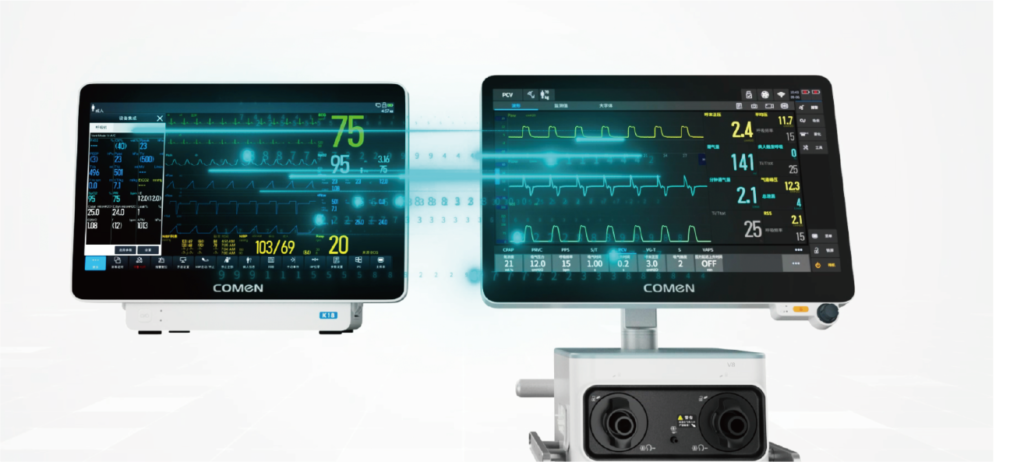
Looking ahead, we must compare suppliers not by MSRP but by service metrics: mean time to repair, in-country stock levels, and documented field training hours. For example, when we switched one clinic in Santo Domingo to a supplier with local spares stocked, downtime fell from 18 hours to 2.5 hours per incident over six months. That was measurable. So when you evaluate an icu mechanical ventilator, ask for local-part SKUs, a list of recommended consumables, and a training roster dated within the last 12 months. I speak from direct runs—my team shipped 50 V8 units to a government clinic in April 2023, and pre-shipment onsite training saved two clinic shutdowns in the first quarter.
Real-world Impact
Summing the key points: traditional procurement fixes only the device, not the system around it. I’ve seen warranties that sound great but require foreign return shipping; I’ve seen manuals with missing pages; I’ve seen backup batteries that don’t fit. These are not theoretical—they cost hours and lives. So here are three concrete evaluation metrics I recommend to wholesale buyers evaluating ICU ventilators: 1) Local spares availability (stock within 72 hours), 2) Certified onsite training hours (minimum 8 hours per facility, documented), 3) Measured mean time to repair under local conditions (target under 6 hours). Use those metrics to compare offers—measure, don’t guess. And yes—interruptions happen; plan for them. I’ve learned to build redundancies into contracts. That strategy is simple, effective, and repeatable.
I keep this practical because buyers need real answers, not buzzwords. If you want, we can map your facility’s spare-part list to a supplier’s SKUs and run a quick gap analysis next—that’s how we cut the surprises. For reliable sourcing and sensible risk control, consider partners who back product with real local support. Visit COMEN to start or to compare specs and service: COMEN.
