
Termite Menace: Unseen Destroyers of Wood and Wealth
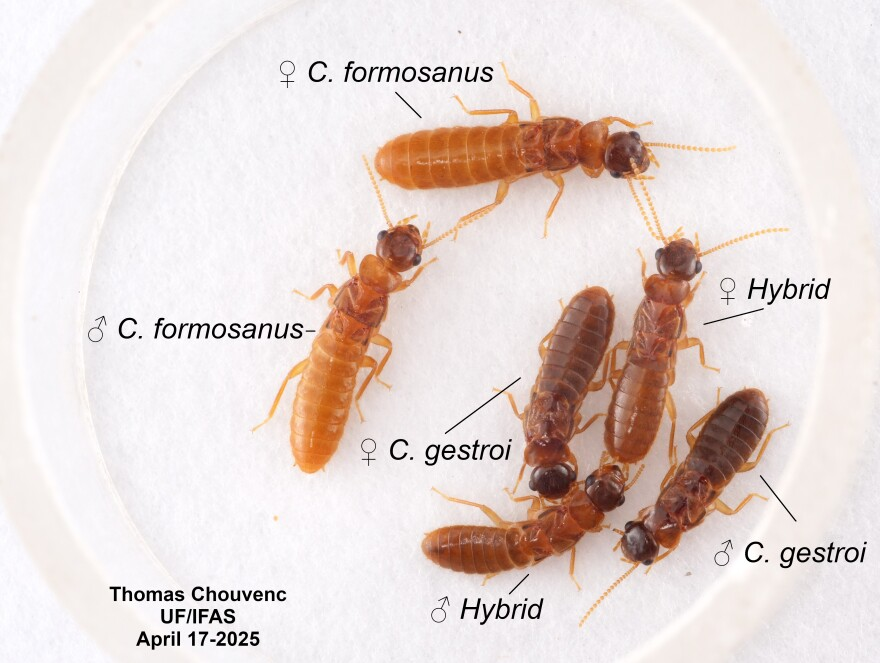
Termites are among the most destructive pests in the world, capable of causing extensive damage to buildings and other wooden structures without being noticed until it’s too late. These tiny insects feed primarily on cellulose, a substance found in wood, paper, and other plant materials. Because of their ability to go undetected, termites often live and work within the structure of a building for years, silently eating away at walls, floors, and furniture. The financial impact of termite damage is staggering, with homeowners and businesses spending billions annually on repairs and pest control. Unlike other pests that may leave obvious signs, termites are stealthy, making regular inspections crucial.
There are several types of termites, each with unique characteristics and behaviors. The most common are subterranean termites, drywood termites, and dampwood termites. Subterranean termites live underground and build mud tubes to reach food sources above the surface. Drywood termites, on the other hand, live directly in dry wood and are commonly found in attic frames and furniture. Dampwood termites prefer wood with high moisture content and are typically found in decaying logs or areas with poor drainage. Each type poses a different kind of threat, a消滅白蟻 nd identifying the species is essential for effective treatment and prevention strategies.
Termite colonies are highly structured, consisting of a king and queen, soldiers, workers, and winged reproductives called alates. The queen can live for more than a decade and lay thousands of eggs each year, allowing the colony to grow rapidly. Workers are responsible for gathering food and feeding other members of the colony, including the queen, soldiers, and young termites. Soldiers protect the colony from predators like ants. Alates are reproductive termites that leave the nest to form new colonies, often seen swarming around lights or windows during certain seasons. Once they find a suitable location, they shed their wings and start a new colony, continuing the cycle of infestation.
Detecting termites early is vital to minimizing damage. Some signs of a termite infestation include mud tubes on walls or foundations, discarded wings near windows or doors, hollow-sounding wood, bubbling or cracked paint, and small piles of termite droppings, also known as frass. Unfortunately, termites often remain hidden behind walls, under floors, or within wooden beams, making it difficult to detect an infestation without professional help. Regular inspections by pest control experts can identify problems in the early stages, allowing homeowners to take action before significant damage occurs. Preventive measures such as moisture control, sealing cracks, and removing wood debris near the house can help reduce the risk of infestation.
Termite treatment involves a range of methods depending on the severity of the infestation and the type of termite involved. Liquid termiticides create a chemical barrier around the home, preventing termites from entering. Baiting systems attract termites to poison that they carry back to the colony, eventually eliminating it. In cases of drywood termite infestations, fumigation or localized spot treatments may be necessary. Environmentally conscious homeowners may opt for natural solutions like orange oil or heat treatments, though these are typically effective only in smaller, localized infestations. No matter the method, follow-up inspections and maintenance are essential to ensure the termites do not return.
Termites may be small, but their potential for destruction is immense. Their ability to remain hidden and silently consume structural wood makes them one of the most dangerous pests for homeowners. Staying informed about termite behavior, conducting regular inspections, and investing in preventive treatments can save thousands in repair costs and protect a home’s structural integrity. As technology and pest management techniques continue to evolve, so do the strategies for combating termite infestations. With vigilance, knowledge, and timely action, it is possible to keep these silent destroyers at bay and maintain a safe, secure living environment.
